The Architecture of Sequential Deployments in Cross-Platform Jackpot Systems
Written by Rafael Hoffmann · Aug 18, 2026

The Architecture of Sequential Deployments in Cross-Platform Jackpot Systems
Sequential promo deployments function as timed sequences that operators release across multiple platforms to control entry points into shared jackpot pools, and these patterns have gained attention among analysts tracking international gaming networks since early 2025. Data from industry reports shows that such sequences often begin with low-threshold triggers on mobile applications before escalating to desktop and live dealer environments, which creates layered access rather than simultaneous availability for all users.
How Timed Sequences Operate Across Platforms
Operators structure these deployments through backend algorithms that release bonus codes or free spin packages in stages, and each stage unlocks higher contribution percentages toward progressive jackpots. Research from the American Gaming Association indicates that networks spanning North American and European servers synchronize these releases to balance player traffic, which prevents overload on any single platform while maintaining consistent jackpot growth rates. Those who study the mechanics note that a typical sequence starts with registration incentives, moves through deposit-linked multipliers within 48 hours, and concludes with high-roller qualifiers that feed directly into multi-platform pools.
Figures from Canadian regulatory filings reveal that cross-border operators adjusted deployment intervals during 2025 to align with seasonal player patterns, and this adjustment coincided with expanded live dealer integrations on several networks. The result appears in aggregated jackpot meters that update in real time across mobile, desktop, and land-based linked terminals, yet access remains gated behind completion of prior sequence steps.
Platform Integration and Data Synchronization
Multi-platform jackpot networks rely on centralized servers that track player progress through sequential promotions, and synchronization occurs via API connections that update eligibility status every few minutes. Observers at gaming technology conferences have pointed out that this setup allows a single account to carry progress from a mobile session directly into a desktop environment without resetting contribution levels. Studies conducted by university research teams in Australia have documented latency reductions in these systems, which dropped below 200 milliseconds in tested networks by mid-2025, enabling smoother transitions during live dealer sessions.
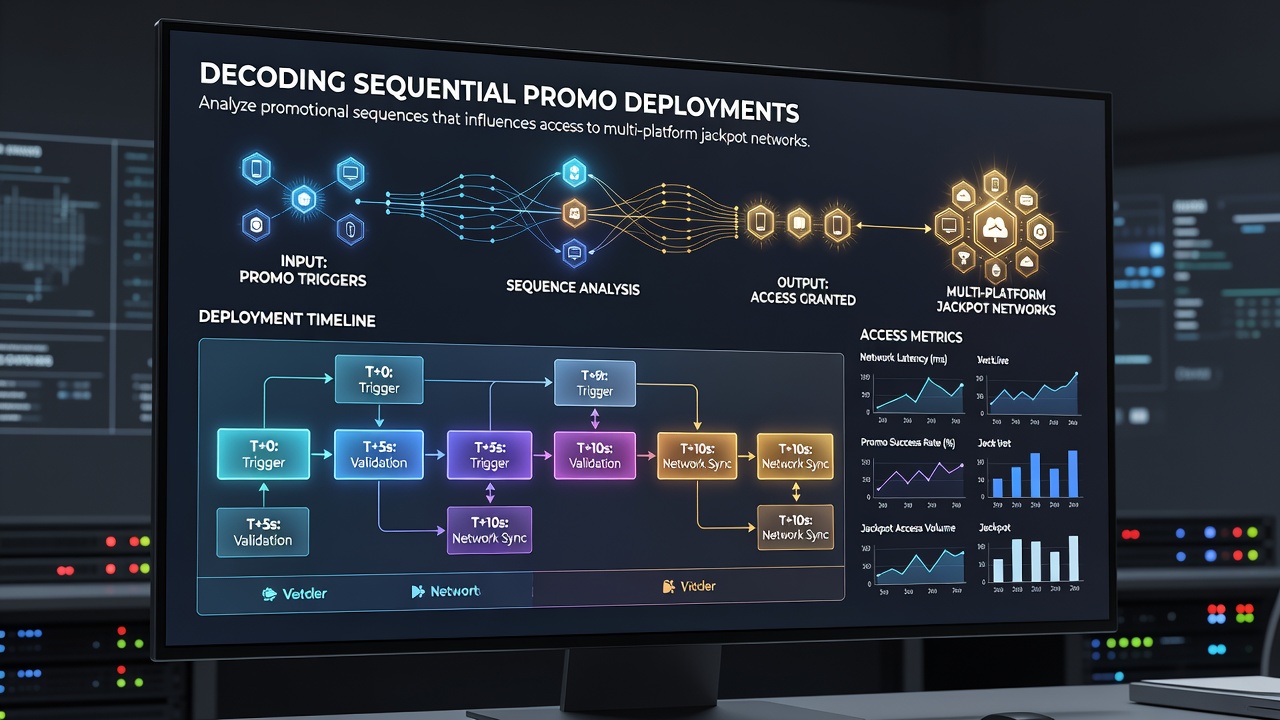
What's notable is the role of geolocation checks that enforce sequence order based on regional licensing rules, and this enforcement varies between jurisdictions. In markets where operators must comply with daily contribution caps, sequences stretch over several days to avoid breaching limits, whereas other regions permit accelerated releases that complete within 24 hours. Data compiled by the European Gaming and Betting Association shows that networks operating under these varied rules still maintain unified jackpot pools through weighted contribution formulas that account for local restrictions.
Regulatory Context and Network Adjustments in 2026
By August 2026 several licensing authorities outside the UK are scheduled to review how sequential deployments intersect with responsible gaming protocols, and preliminary guidelines from bodies in Nevada and New Jersey emphasize transparent disclosure of sequence requirements to players. These reviews focus on ensuring that promotional timelines do not inadvertently restrict access for users who prefer one platform over others. Industry reports from the same period note that operators have begun publishing sequence maps in advance, which detail the exact order of bonus activations and their corresponding jackpot contributions.
Analysts tracking these changes observe that synchronization between platforms has become a compliance priority, and failure to maintain consistent tracking can result in temporary suspension of jackpot linkages. One documented case from Canadian operators demonstrated that adjusting sequence timing to match server maintenance windows preserved pool integrity across desktop and mobile environments without interrupting live dealer feeds.
Technical Mechanisms Behind Access Control
Backend systems use player segmentation models to determine when to deploy the next promotional layer, and these models incorporate factors such as account age, previous contribution volume, and platform preference history. Research papers from technical institutes in Singapore have examined how machine learning refines these models to predict optimal release windows that maximize participation across all connected platforms. The outcome is a more predictable flow of contributions into shared jackpots while still allowing operators to stagger access according to risk parameters.
External links to authoritative sources appear sparingly in coverage of these systems. One reference comes from the American Gaming Association on network traffic balancing, while another draws from the European Gaming and Betting Association reports on cross-jurisdictional synchronization standards. Both organizations provide data that underpins understanding of how sequences shape overall access patterns.
Conclusion
Sequential promo deployments continue to define entry points into multi-platform jackpot networks through structured timing and platform-specific triggers. Evidence from regulatory filings and technical studies demonstrates that these sequences maintain jackpot growth while enforcing ordered access, and adjustments planned for August 2026 aim to refine transparency without altering core mechanics. Those monitoring the sector note that ongoing synchronization improvements across regions support consistent player experiences regardless of entry platform.