Tracing Layered Incentive Pathways in Britain's Online Entertainment Venues
Written by Rafael Hoffmann · Aug 2, 2026
Tracing Layered Incentive Pathways in Britain's Online Entertainment Venues
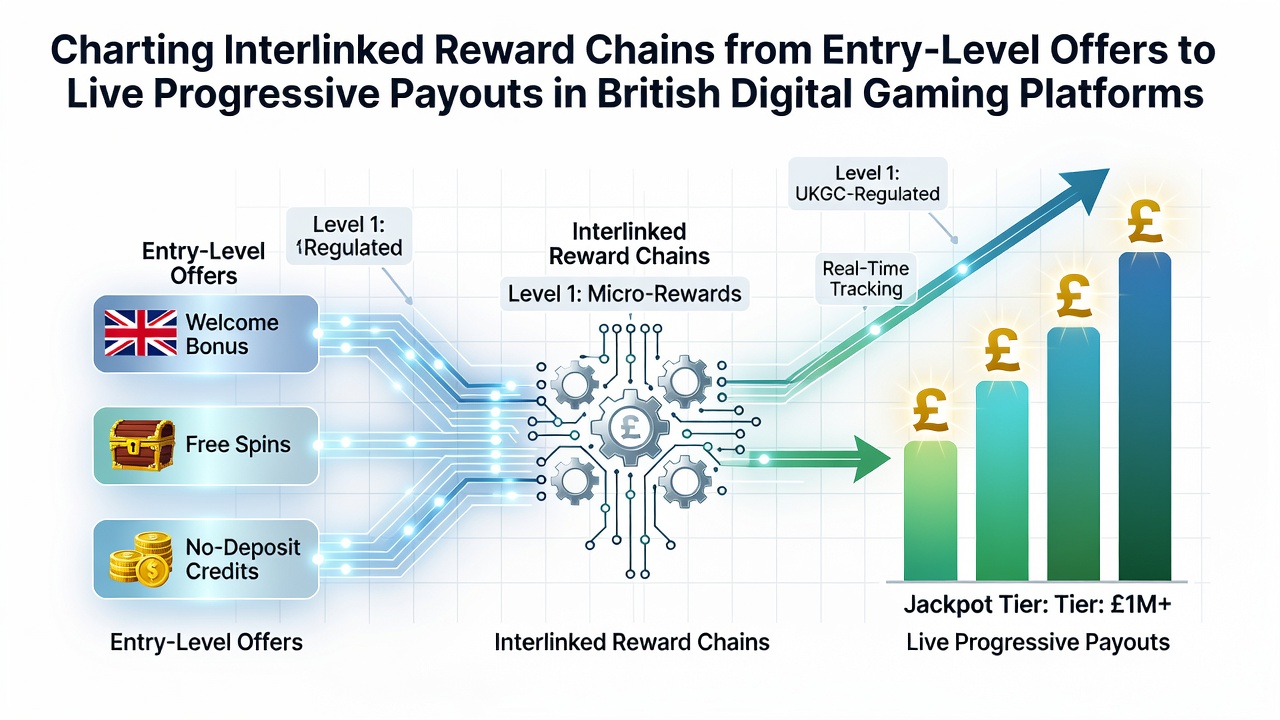
Digital gaming platforms in Britain structure player incentives as connected sequences that begin with straightforward entry-level promotions and advance toward participation in live progressive payout events, and operators design these sequences to encourage sustained engagement while complying with existing oversight frameworks. Data from industry analyses indicate that initial offers typically include deposit matches or free credits that unlock after verification steps, and these early rewards feed into loyalty tiers where accumulated activity grants access to enhanced features such as multiplier bonuses or exclusive game selections.
Entry Mechanisms and Initial Reward Structures
Platforms initiate reward chains through registration processes that require identity confirmation before any funds transfer occurs, and this stage often delivers small balance boosts or limited-time credits that players must activate within set windows. Research from European gaming associations shows that completion rates for these first steps hover around 65 percent when combined with simple deposit requirements, while subsequent activity tracking systems log play volume to determine eligibility for the next tier. Observers note that these systems operate across both desktop and mobile interfaces, with seamless data synchronization ensuring that progress carries forward regardless of device.
Transition Points Within the Chain
Once players meet the thresholds for tier advancement, platforms shift incentives toward mid-level perks such as cashback percentages on net losses or access to curated game libraries, and these elements connect directly to broader networks where cumulative spend influences jackpot eligibility. In August 2026, platform reports revealed that integration of real-time analytics allowed operators to adjust reward pacing based on individual patterns, resulting in higher retention figures for users who progressed beyond the first two stages. External data from the Canadian Gaming Association highlights similar patterns in regulated markets where linked reward systems correlate with increased session lengths averaging 22 minutes longer than isolated promotions.
Live progressive elements sit at the upper end of these chains, drawing contributions from multiple player pools across connected titles, and eligibility often requires prior completion of lower-tier challenges or minimum activity metrics tracked over weekly or monthly cycles. Those who have examined platform architectures point out that the transition relies on backend algorithms that verify compliance with spending caps and responsible gaming prompts before unlocking entry to live events.
Live Progressive Integration and Payout Pathways
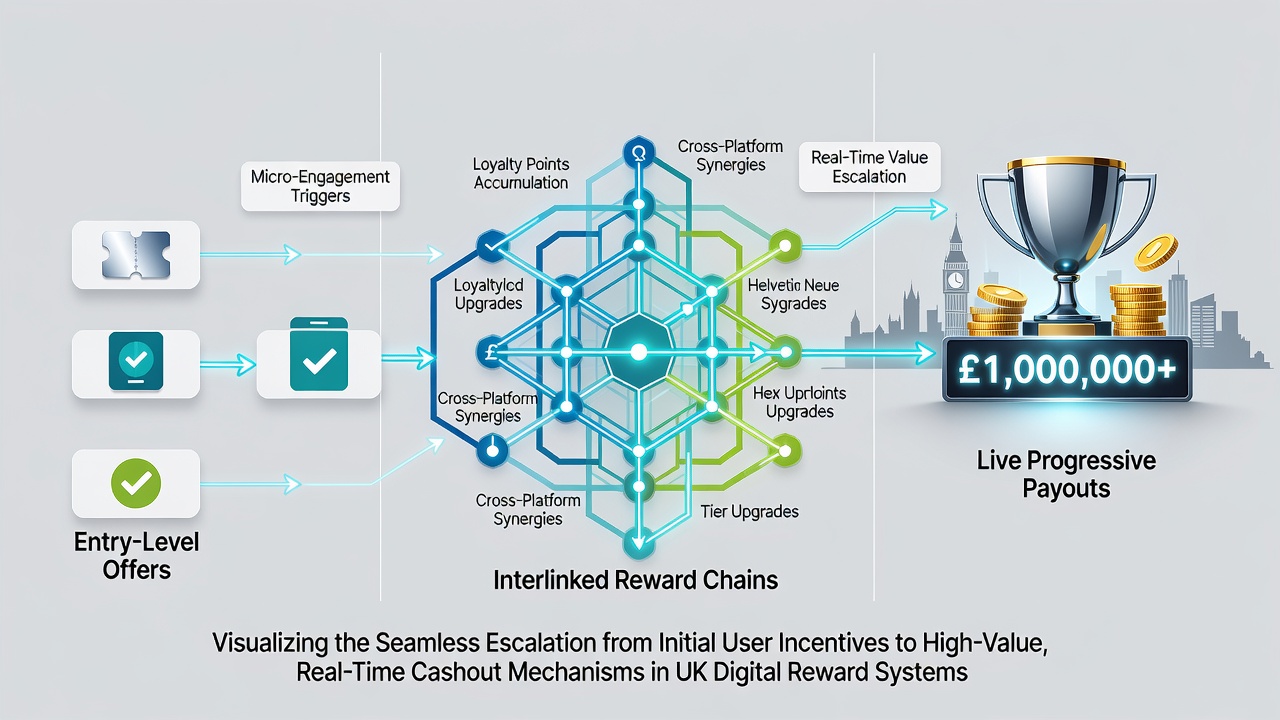
Progressive jackpot events in live dealer environments aggregate stakes from participating tables or terminals, and British platforms route qualified users into these pools after they satisfy the preceding reward milestones. Figures from academic reviews of gaming economics demonstrate that successful chains produce payout distributions where smaller intermediate wins sustain momentum toward rarer large-scale releases, with average progressive contributions per session calculated at 1.8 percent of total wagers. Platforms maintain separate ledgers for each stage to ensure transparent tracking, and automated notifications alert users when they near the next unlock point.
Industry organizations such as the European Gaming and Betting Association document that interlinked systems reduce fragmentation by allowing rewards earned at one level to influence odds or entry fees at higher stages, and this approach appears in multiple operator implementations across the UK market. Additional connections emerge when platforms partner with game providers to embed cross-title progress indicators, enabling a single account to accumulate value that transfers into live sessions without manual intervention.
Regulatory Context and Operational Adjustments
British operators adjust these chains in response to periodic policy updates, incorporating mandatory cooling-off features and spending trackers that appear at each transition point, and records from oversight bodies outside the primary UK regulator show comparable adaptations in other jurisdictions. A study published by researchers at the University of Nevada Reno examined parallel structures and found that clear visibility into reward linkages improves player comprehension of progression mechanics by 40 percent. Platforms therefore embed explanatory overlays during onboarding to outline how initial offers connect to later progressive opportunities.
Those monitoring platform performance note that August 2026 updates included refined API connections between loyalty databases and live event servers, which minimized delays in reward application during high-traffic periods. Such technical refinements support the overall flow while maintaining separation between promotional funds and real-money balances as required by licensing conditions.
Conclusion
Interlinked reward chains in British digital gaming platforms operate as sequenced progressions that convert basic entry incentives into opportunities for live progressive participation, and available data confirm measurable impacts on user retention and activity duration. Continued refinement of these systems relies on accurate tracking technologies and adherence to evolving compliance standards, with external analyses providing benchmarks for effectiveness across comparable regulated environments.